Mood Booster: A Designer’s Review for Real Embroidery Projects
As an embroidery designer who has spent years tweaking stitch paths and troubleshooting thread breaks, I approach every new machine embroidery design with a mix of curiosity and skepticism. We have all been there: you download a file that looks stunning in the preview, only to find it turns into a tangled mess on your hoop. That is why I took a close look at Mood Booster, not just as a digital asset, but as a potential centerpiece for real-world products. This isn’t about hype; it is about determining if this design holds up under the needle when you are trying to build a reputable craft business or create a meaningful personalized gift.
First Impressions and Visual Personality
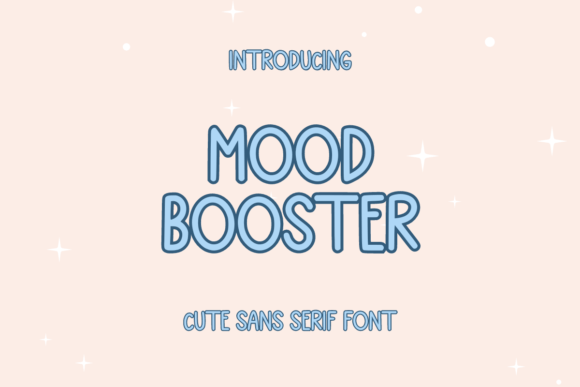
The first thing that strikes you about Mood Booster is its clean, confident presence. Categorized under Sans Serif, it avoids the ornate flourishes that often plague decorative fonts, opting instead for clarity and modern simplicity. In the world of embroidery, simplicity is often harder to execute than complexity because there is nowhere to hide poor digitizing. The shapes are bold, and the layout feels balanced without being rigid. It creates a mood that is uplifting yet professional, making it versatile enough for both playful baby items and sleek boutique branding.
When I visualize this design stitched out, I don’t see it getting lost in the fabric. The visual personality suggests it belongs on items where readability and impact matter. It feels like a design that respects the medium, understanding that thread has texture and volume. For Etsy sellers and handmade shop owners, this kind of reliability is gold. You want a design that looks good in a printable mockup but also delivers a high-quality finished product that builds customer trust.
Real-World Application: The Tote Bag Test
To truly evaluate Mood Booster, I imagined a specific scenario: a custom order for a local bookstore needing branded tote bags. These aren’t just any bags; they are heavy canvas, prone to shifting if not stabilized correctly. I pictured placing Mood Booster centrally on the bag. Because the design lacks excessive density, it wouldn’t turn the canvas into a stiff, cardboard-like patch. Instead, the satin stitch elements would lay flat against the weave, while any fill stitch areas would provide just enough coverage to pop against the natural fabric texture.
This same logic applies to sweatshirt embroidery. On a fleece or cotton blend hoodie, a dense design can pull and pucker. Mood Booster appears to have a stitch density that breathes. It would sit comfortably on the chest or sleeve of a custom apparel piece without distorting the garment’s drape. For small shop products, this means fewer returns due to poor quality and more repeat customers who appreciate the professional finish.
Navigating Fabric and Hoop Constraints
While Mood Booster is robust, no design is universal. There are specific situations where you need to proceed with caution. If you are working with thin or stretchy fabrics, such as jersey knits for baby clothes, the stability of the design becomes critical. Even with a well-digitized file, you must use the appropriate stabilizer. A cut-away stabilizer might be necessary to prevent the stitches from sinking into the knit or causing the fabric to ripple around the edges.
Similarly, consider the hoop size. If you are scaling Mood Booster down for a small embroidered patch or a cap front, you must check the legibility of the smaller details. Sans serif designs rely on clean lines, and if scaled too small, those lines can merge, especially with thicker threads like rayon or polyester. Always test the design on scrap fabric first. Check how the thread colors contrast against your background. A dark thread on dark fabric might lose the definition that makes this design shine, so consider using a lighter thread or adding a backing applique design if needed for contrast.
Commercial Viability and Brand Consistency
For commercial embroidery projects, consistency is key. Whether you are creating holiday embroidery for seasonal gifts or everyday items for a boutique, Mood Booster offers a cohesive look. It doesn’t scream "trendy" in a way that will date quickly; instead, it feels timeless. This is crucial for brand consistency. If you are an Etsy seller building a recognizable style, using design assets that share a common visual language helps buyers identify your work.
The design also enhances the perceived value of the finished product. Clean stitching signals professionalism. When a customer receives a personalized gift with crisp, clear lettering and well-defined shapes, they associate that quality with your brand. It encourages buyer engagement and positive reviews, which are the lifeblood of any small business. However, always confirm licensing before selling finished items or digital products. Just because a file is available does not mean it is free for commercial use. Check the terms provided with the digital embroidery file to ensure you are protected.
Practical Notes for the Embroiderer
Before you load Mood Booster into your machine, take a moment to review the technical aspects. Inspect the stitch path in your software if possible. Look for unnecessary jumps or dense clusters that might cause thread breaks. Test it in black and white mockups to ensure the contrast works regardless of color choice. Compare how it looks on light versus dark fabric backgrounds, as this can dramatically change the visual weight of the design.
- Stabilizer Choice: Match the stabilizer to the fabric weight. Heavy canvas needs different support than lightweight linen.
- Thread Selection: High-sheen rayon can highlight the smoothness of satin stitches, while matte cotton might give a more rustic, handmade product feel.
- Hoop Security: Ensure the fabric is drum-tight to prevent shifting, especially if the design includes larger fill stitch areas.
- Needle Size: Use a sharp needle for woven fabrics and a ballpoint for knits to avoid damaging the material.
In conclusion, Mood Booster is a strong contender for designers who value clarity and versatility. It performs well in real-life embroidery situations, from tote bag designs to nursery decor. By respecting the limitations of your materials and taking the time to test properly, you can leverage this design to create high-quality, profitable, and beautiful embroidered items. It is a tool that, when used with skill and care, can genuinely boost the appeal of your creative portfolio.