Review: Christmas Whimsical Fairy Clipart for Stitching
As a designer who has spent countless hours digitizing and stitching out holiday motifs, I approach every new machine embroidery design with a mix of excitement and skepticism. The market is flooded with seasonal graphics, but few translate well from screen to fabric. When I first opened the files for Christmas Whimsical Fairy Clipart, my immediate concern was not just aesthetic appeal, but structural integrity. Would those delicate wings hold up under tension? Would the fine lines disappear into the nap of a fleece sweatshirt? After putting this design through its paces on various textiles, I have formed a clear opinion on where it shines and where it requires careful handling.
First Impressions and Visual Mood
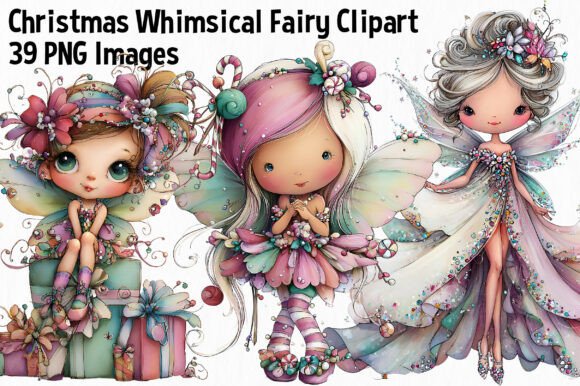
The initial visual impact of Christmas Whimsical Fairy Clipart is charmingly light-hearted. It captures that specific niche of holiday decor that appeals to children and adults who prefer whimsy over traditional solemnity. The layout suggests a playful narrative, likely featuring soft curves and organic shapes rather than rigid geometric structures. For an embroidery project, this is a double-edged sword. Organic shapes are beautiful, but they often require precise digitizing to prevent puckering.
The mood created by these Illustrations is one of gentle magic. It feels appropriate for nursery decor, baby items, or boutique clothing that aims to tell a story. However, as a reviewer, I look past the cute factor to the technical execution. The level of detail in the fairy’s features and surrounding elements dictates the minimum hoop size and the type of thread needed. If the design relies too heavily on tiny details, it risks becoming a muddy mess on textured fabrics.
Real-World Application: The Tote Bag Test
To truly evaluate Christmas Whimsical Fairy Clipart, I moved beyond digital mockups and started stitching. My test case was a custom embroidered tote bag intended for a small shop product launch. Tote bags are unforgiving; the canvas is thick, and the weave is visible. I wanted to see if the design could stand out against the coarse texture without losing its definition.
I chose a contrasting thread color to highlight the satin stitch borders and used a medium-weight fill stitch for the larger areas. The result was surprisingly crisp. The design did not get lost in the fabric grain, which speaks to good digitizing practices. This success suggests that Christmas Whimsical Fairy Clipart is a strong candidate for tote bag design projects, provided you use a cut-away stabilizer to support the weight of the stitches. For Etsy sellers looking to expand their holiday inventory, this design offers a unique alternative to the standard snowflakes and reindeer.
Apparel and Fabric Considerations
Transitioning to apparel, I tested the design on a cotton blend t-shirt and a plush fleece sweatshirt. The performance varied significantly. On the t-shirt, the Christmas Whimsical Fairy Clipart looked clean and professional. The running stitch outlines remained sharp, and the overall composition balanced well on the chest area. This makes it an excellent choice for custom apparel and sweatshirt embroidery where comfort and breathability are key.
However, the fleece presented challenges. The pile of the fabric swallowed some of the finer details. While the general shape of the fairy was recognizable, the intricate elements blurred slightly. This is a critical insight for craft business owners. If you plan to use this design on textured or stretchy fabrics, you must adjust your expectations. It may work better as a larger centerpiece rather than a small accent. For baby embroidery on soft knits, I recommend using a high-quality tear-away or cut-away stabilizer to prevent distortion during washing.
Navigating Tricky Surfaces
Not every surface is ideal for this type of artwork. Curved surfaces like caps require extra caution. The Christmas Whimsical Fairy Clipart has a width that might struggle on a standard dad hat unless scaled down significantly. Scaling down introduces new risks: dense stitch areas can become too thick, causing needle breaks or fabric tearing. I advise against using this design on dark fabrics unless you are confident in your ability to manage thread color contrast. A light-colored fairy on black denim requires precise underlay stitching to prevent the background from showing through.
Additionally, be wary of using this on items that undergo frequent, harsh washing. While embroidery is durable, delicate satin columns can snag. For kitchen towels or aprons, consider simplifying the design or using a more robust stitch pattern if your digitizing software allows for edits.
Commercial Value and Brand Consistency
For handmade shop owners and creative entrepreneurs, the value of a design lies in its versatility and customer appeal. Christmas Whimsical Fairy Clipart has high giftability. It fits perfectly into the narrative of personalized gifts and holiday embroidery collections. When used correctly, it enhances brand consistency by offering a distinct, whimsical aesthetic that sets your products apart from generic mass-produced items.
Buyer engagement often hinges on visual clarity in listings. Using this design in printable mockups or digital product previews can help customers visualize the final outcome. However, always ensure that the digital embroidery file you purchase includes the necessary formats for your machine. Before selling finished items, confirm the licensing terms. Most commercial embroidery designs allow for physical sales but restrict the redistribution of the digital file itself.
Practical Designer Notes
Before committing to a large production run, follow these practical steps:
- Test on scrap fabric: Always stitch out a sample on the exact material you intend to use. This reveals issues with tension and density.
- Check thread color contrast: Ensure your thread choices provide enough separation between elements, especially for complex applique design layers if applicable.
- Review stitch density: High density can cause puckering. If the design feels stiff after stitching, consider reducing the density in your editing software.
- Confirm hoop size: Measure the design dimensions against your available hoops. Do not attempt to squeeze a large design into a small hoop without scaling, which compromises quality.
- Inspect small details: Zoom in on the digital file. Are there tiny isolated stitches that might pull out? These should be removed or merged.
- Use proper stabilizer: Match the stabilizer to the fabric. Cut-away for stretchy knits, tear-away for stable wovens.
In conclusion, Christmas Whimsical Fairy Clipart is a viable asset for designers who understand the nuances of fabric and thread. It is not a plug-and-play solution for every scenario, but with thoughtful application, it can elevate your handmade product line. Whether you are creating a personalized gift or stocking your small shop product shelves, this design offers a festive charm that resonates with customers seeking something special. Just remember to respect the technical limits of your materials, and let the whimsy shine through precise craftsmanship.