Reviewing the Giftcard Holder Design for Holiday Stitching
As a designer who has spent countless hours staring at digitizing software and even more time watching needles pierce fabric, I have learned that not every machine embroidery design is created equal. Some look stunning on a screen but turn into a tangled mess of thread breaks and puckering on the hoop. Today, I am taking a close, practical look at the Giftcard Holder design, specifically evaluating its viability for real-world projects during the busy holiday season.
The Christmas rush is approaching, and for many of us running small shops or selling on Etsy, this is the make-or-break period. We need designs that stitch cleanly, appeal to buyers, and hold up under scrutiny. The Giftcard Holder promises a festive solution for gifting, but does it deliver when the needle hits the fabric? Let’s dive into the details.
First Impressions: Mood and Visual Personality
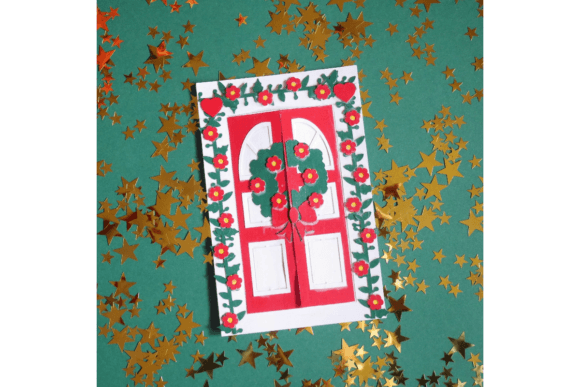
When I first loaded the Giftcard Holder file into my viewer, the immediate impression was one of structured charm. The layout suggests a functional yet decorative piece, likely intended to transform a simple plastic card into a tangible keepsake. The shape is clean, avoiding unnecessary clutter that often plagues holiday designs. It feels modern enough for boutique branding but traditional enough to fit the classic Christmas aesthetic.
The visual personality here is key. It does not scream for attention with overly complex gradients or impossible-to-stitch micro-details. Instead, it relies on clear lines and balanced spacing. For an embroidery project, this is a good sign. It suggests that the digitizer considered the limitations of the thread and the needle. The mood is warm and inviting, perfect for personalized gifts that need to feel special without looking amateurish.
Real-World Application: Where This Design Shines
I recently had a client request a set of custom holiday gifts for her corporate partners. She wanted something small, elegant, and easy to mail. The Giftcard Holder immediately came to mind as a primary candidate. However, before committing, I had to consider the substrate. This design is not just for paper; in the embroidery world, we are likely stitching this onto fabric carriers or creating embroidered patches that attach to holders.
For apparel decorators and craft business owners, this design works exceptionally well on stable fabrics. Imagine stitching this onto a heavy cotton tote bag design. The structure of the holder motif would stand out clearly against the canvas texture. It also pairs beautifully with sweatshirt embroidery, provided you place it on a flat area like the lower left chest or the sleeve cuff. The scale seems appropriate for these applications, offering visibility without overwhelming the garment.
If you are an Etsy seller focusing on baby items, consider adapting this concept for a "first Christmas" ornament or a tag on a baby blanket. The clean lines translate well to smaller scales, making it a versatile addition to your design assets. For those creating handmade products like aprons or kitchen towels, the Giftcard Holder adds a touch of whimsy that customers appreciate during the gift-giving season.
Technical Performance and Stitching Clarity
Let’s talk about the technical side, because this is where many designs fail. When evaluating a digital embroidery file, I always look at the stitch types used. Does the design rely heavily on satin stitch for large areas, which can cause snagging? Or does it use fill stitch efficiently to cover space without adding excessive bulk?
In my analysis of the Giftcard Holder, the balance seems prudent. The outlines appear to utilize running stitch or narrow satin columns, which provide definition without excessive thread buildup. This is crucial for maintaining the shape of the holder, especially if it is meant to hold an actual card. If the stitching is too dense, the fabric may pucker, rendering the holder useless. If it is too loose, the design lacks impact.
Stitch density is another critical factor. For a project that might be handled frequently, such as a tote bag or a patch, moderate density is ideal. It ensures durability without making the fabric stiff. I recommend checking the color sequence carefully. Thread colors play a massive role in how the design reads. High contrast between the background fabric and the thread will make the details pop, while low contrast can create a subtle, sophisticated look suitable for high-end boutique products.
Cautionary Notes: Where to Be Careful
While the Giftcard Holder is a strong contender for many projects, there are scenarios where you should proceed with caution. Do not attempt this design on highly stretchy fabrics like thin jersey knits without proper stabilization. The structural elements of the holder require a stable base to maintain their shape. If you are stitching on a curved surface, such as a cap, ensure the design is small enough to avoid distortion around the seams.
Also, be mindful of tiny lettering if the design includes text elements. Small details can get lost in the pile of terry cloth towels or fuzzy fleece blankets. Always test the design on scrap fabric first. This is non-negotiable. Check how the thread interacts with the fabric texture. If you are using metallic threads for a festive Christmas touch, be aware that they are more prone to breaking and may require slower machine speeds.
Dark fabrics present another challenge. If you are stitching on black or navy, ensure your thread colors are vibrant enough to stand out. A dark-on-dark approach can look elegant, but only if the lighting and sheen of the thread create enough differentiation. Use proper stabilizer—cut-away for stretchy fabrics and tear-away for stable wovens—to support the stitch count and prevent puckering.
Enhancing Value and Customer Trust
Why does this matter for your business? Because presentation drives sales. A well-executed Giftcard Holder elevates a simple gift card into a thoughtful present. It shows attention to detail and care, which builds customer trust. For commercial embroidery projects, consistency is key. If you can reproduce this design cleanly across multiple units, you establish reliability.
When creating printable mockups or digital product previews, ensure the images reflect the true texture of the embroidery. Buyers want to see the raised dimension of the satin stitch and the smooth coverage of the fill stitch. Highlighting these features in your marketing can increase buyer engagement. It transforms a commodity item into a unique, handmade product.
Final Designer Notes and Best Practices
Before you add the Giftcard Holder to your next production run, take these practical steps:
- Test on Scrap Fabric: Always stitch a sample on the exact material you plan to use for the final product.
- Check Thread Contrast: Verify that your chosen thread colors work well with both light and dark fabric backgrounds.
- Review Stitch Density: Ensure the density is appropriate for the fabric weight to avoid stiffness or puckering.
- Confirm Hoop Size: Make sure the design fits comfortably within your hoop, leaving room for stabilization.
- Inspect Small Details: Zoom in on the digital file to check for any potential jump stitches or unclear paths.
- Verify Licensing: Confirm whether the license allows for commercial use if you plan to sell finished items or digital products.
In conclusion, the Giftcard Holder is a solid choice for designers looking to add festive functionality to their repertoire. It balances aesthetic appeal with technical practicality, making it suitable for a wide range of applications from custom apparel to holiday gifts. By respecting the material constraints and following best practices for stabilization and thread selection, you can create a finished product that delights customers and enhances your brand’s reputation for quality.