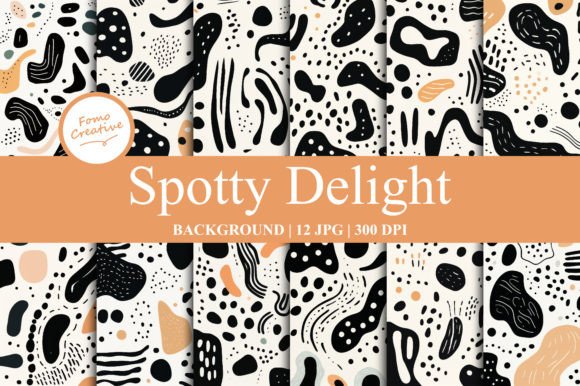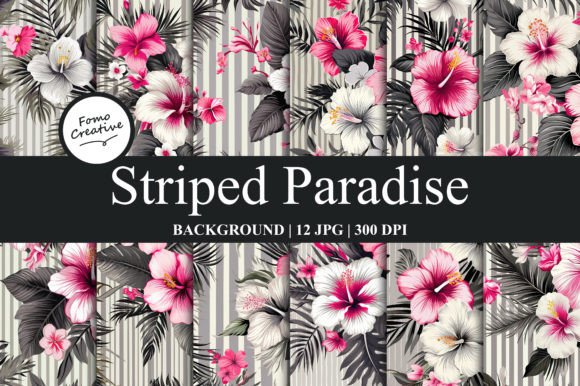
Scandi Pattern Backgrounds for Crafters
As a handmade business owner who has spent years navigating the delicate balance between creative passion and commercial viability, I approach every new graphic design asset with a critical eye. We are not just downloading files; we are sourcing the raw materials for our livelihood. When I first opened the Scandi Pattern collection, my immediate reaction was one of relief. In a market saturated with chaotic, overly complex illustrations, this set offers a breath of fresh air. It embodies that coveted minimalist aesthetic—clean lines, balanced negative space, and a timeless elegance that appeals to a wide demographic.
The mood these Backgrounds create is distinctly cozy yet sophisticated. They do not scream for attention; instead, they invite the viewer in. This subtle power makes them incredibly versatile for an Etsy product line that aims to feel premium without being intimidating. Whether you are targeting bridesmaids looking for chic gift tags or parents seeking gentle nursery decor, the Scandi style bridges the gap between modern and rustic seamlessly.
Real-World Applications for Your Handmade Business
Let’s move beyond theory and talk about workflow. I recently used these assets to prepare a seasonal collection for a local craft fair. The versatility of the Scandi Pattern became immediately apparent when I started drafting my Cricut project list. Because the designs are vector-based, scaling them for different substrates was effortless. I created a series of custom tote bags using heat transfer vinyl, where the clean lines of the pattern ensured no weeding nightmares. The simplicity of the shapes meant I could cut multiple layers quickly, significantly reducing my production time per unit.
For those of you running a Silhouette project workflow, you will appreciate how well these files handle. I tested the SVG paths extensively, and the nodes are clean. There were no stray points or overlapping lines that often plague free or low-quality downloads. This reliability is crucial when you are fulfilling customer orders on a tight deadline. I also incorporated the patterns into my sticker design sheet. By pairing the geometric elements with simple sans serif typography, I created a set of planner stickers that sold out within the first week of listing.
Sublimation and Print-on-Demand Potential
If your business model leans more toward sublimation or print-on-demand, the PNG versions of this asset are equally robust. I applied the Scandi Pattern to a batch of ceramic mugs and tumbler wraps. The resolution held up beautifully, with no pixelation even when stretched around the curvature of a 20oz tumbler. The transparency in the PNG files allowed me to layer the patterns over solid colors or photographic backgrounds without any harsh white boxes ruining the aesthetic. This is a game-changer for creating cohesive small business branding across different product types.
Consider using these designs for greeting cards and gift tags. The neutral palette of typical Scandi designs means they work year-round. You are not limited to holiday seasons. A simple thank-you card featuring one of these patterns feels thoughtful and high-end, encouraging repeat customers who appreciate the attention to detail in your packaging.
Technical Considerations and Best Practices
While the Scandi Pattern is a strong contender for your digital library, there are areas where caution is required. As with any design bundle, context is key. These patterns thrive in spacious layouts but can become visually noisy if overcrowded. When designing for very small items, such as tiny enamel pins or miniature jewelry tags, avoid using the most intricate variations of the pattern. Thin lines may not cut cleanly in vinyl or may disappear entirely when printed at a small scale. Always do a test cut on scrap material before committing to your final inventory.
Color contrast is another vital factor. If you are working on dark-colored apparel for a t-shirt design, ensure you adjust the opacity or add a white underbase if your printer requires it. The subtlety of Scandi designs can get lost on black fabric if not handled correctly. I recommend creating a product mockup in your design software before sending files to print. Place the asset on both light and dark backgrounds to verify visibility. This step saves money and prevents the disappointment of receiving a batch of unsellable goods.
Pairing Fonts and Enhancing the Design
To maximize the impact of this illustration set, think carefully about typography. The clean geometry of Scandi patterns pairs exceptionally well with modern serif fonts for a luxurious feel, or handwritten script fonts for a personal, artisanal touch. Avoid overly decorative display fonts that might compete with the pattern for attention. The goal is harmony. For example, I paired a subtle geometric background with a bold, clean sans serif font for a set of wedding welcome signs. The result was elegant and highly readable, exactly what the client wanted.
When using these assets for printable design products, such as wall art or planner pages, consider the bleed area. Ensure that the pattern extends beyond the cut line if you are offering full-bleed prints. This attention to technical detail separates amateur sellers from professional creative entrepreneurs.
Licensing and Commercial Use
Before integrating any new asset into your revenue stream, always confirm the licensing terms. This commercial design package allows for use in physical products you create and sell, which is essential for handmade business owners. However, restrictions usually apply to reselling the digital files themselves. You cannot upload the raw SVG or PNG files to a creative marketplace as standalone digital downloads. Always read the specific license included with your purchase to ensure compliance. Protecting your shop from copyright issues is just as important as creating beautiful products.
In summary, the Scandi Pattern is a reliable, versatile addition to your toolkit. It supports a wide range of applications from sublimation design to vinyl cutting, offering a professional finish that customers love. By understanding its strengths in minimalism and its limitations in small-scale detailing, you can leverage this asset to streamline your production and elevate your brand identity. Whether you are preparing for a busy holiday season or refreshing your evergreen catalog, these design assets provide the foundational quality needed to succeed in the competitive world of handmade goods.