Roasting: A Designer’s Take on Script Amp Embroidery
When I first pulled up Roasting in my design software, I wasn’t looking for just another decorative element. As someone who spends hours tweaking tension settings and testing stabilizers, I look for designs that hold their own under the needle. This piece, categorized under Script Amp, immediately caught my eye not because it was loud, but because of its confident flow. It feels like a design that understands the limitations of thread while pushing the boundaries of legibility.
For embroidery designers, small business owners, and Etsy sellers, the difference between a design that looks good on screen and one that sells as a finished product is often found in the details. I evaluated Roasting with a specific project in mind: a custom embroidered tote bag for a local coffee shop rebrand. The client wanted something warm, inviting, and slightly rustic, yet professional enough for daily commercial use. Here is how Roasting held up during that real-world test.
First Impressions and Visual Personality
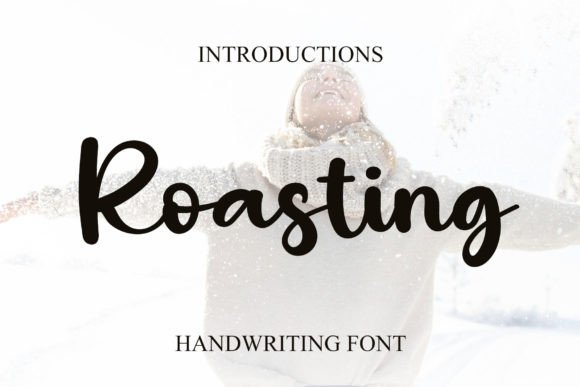
The mood of Roasting is undeniably cozy. It carries a warmth that translates well into textile art. The script style avoids the overly swirly, hard-to-read traps that many digital embroidery files fall into. Instead, it offers clean connections and balanced weight. For a craft business owner, this is crucial. Your customers need to read the message instantly, whether it’s on a sweatshirt hanging in a boutique or a pillow cover on a showroom floor.
The layout feels organic. It doesn’t scream for attention but invites a closer look. This subtle confidence makes it versatile. I could see it working equally well as a central focal point on a baby onesie or as a understated accent on a high-end apron. The visual personality suggests quality, which directly impacts perceived value. When a buyer sees clean, intentional stitching, they trust the handmade product more.
Performance in Real-Life Applications
I decided to stitch Roasting onto a heavy-weight canvas tote bag. This is a common request for small shop products, but canvas can be tricky due to its weave. Using a standard cut stabilizer, the design performed admirably. The satin stitch elements maintained their sheen without puckering, provided the hoop size was adequate to keep the fabric taut. The fill stitch areas were dense enough to cover the texture of the canvas but not so dense that they created a stiff, cardboard-like feel.
Beyond totes, I considered how this machine embroidery design would fare on other popular items. For sweatshirt embroidery, the design’s open spacing allows the fleece or cotton blend to breathe, preventing that sunken look you sometimes get with overly dense files. On a cap, however, caution is needed. Curved surfaces distort scripts. If you plan to use Roasting on headwear, I recommend scaling it down slightly and ensuring the stabilization is robust to prevent shifting during the stitch-out.
For holiday embroidery projects, such as personalized kitchen towels or festive pillow covers, the script adds a touch of elegance. It pairs beautifully with traditional reds and greens but also shines in modern neutrals. As a digital embroidery file, its adaptability is a strong selling point for creative entrepreneurs who need one asset to serve multiple seasonal campaigns.
Navigating Technical Challenges
No design is perfect for every scenario, and honest review requires acknowledging where Roasting needs careful handling. Small hoop sizes can be a limitation if the design includes extended tails or flourishes that exceed the standard 4x4 or 5x7 area. Always check the dimensions in your software before committing to a small project like a baby sock or a delicate handkerchief.
Thread color contrast is another critical factor. Because Roasting relies on the flow of the script, using a thread color too similar to the fabric background can make the details disappear. I tested it on dark navy fabric with silver thread, and the result was striking. However, on black fabric with dark grey thread, some of the finer running stitch connections became invisible. Always test your thread colors against your fabric texture.
Dense stitch areas require attention. If you are stitching on thin or stretchy fabric, such as a lightweight jersey t-shirt, the density might cause pulling. In these cases, using a tear-away stabilizer and possibly reducing the stitch density in your editing software can save the garment. For textured fabrics like linen or burlap, the design holds up well, but ensure your needle is sharp enough to penetrate without causing runs.
Enhancing Brand Value and Customer Trust
For an Etsy seller or boutique owner, consistency is key. Roasting fits seamlessly into a brand aesthetic that values craftsmanship and warmth. When used in printable mockups or digital product previews, it presents a polished image. Buyers engage more with listings that show clear, high-quality stitching. A messy or poorly digitized design can hurt your reputation, but a clean script like this builds trust.
The professionalism of the finished product reflects directly on your craft business. Whether you are creating custom apparel for a corporate client or personalized gifts for weddings, the clarity of the embroidery matters. Roasting delivers that clarity. It doesn’t look like a generic clip-art conversion; it looks like it was designed for the needle.
Practical Notes for the Embroidery Designer
Before you launch into a large production run or list this as a new item in your shop, take these practical steps:
- Test on scrap fabric: Never skip this step. Use the same material and stabilizer combination you plan to use for the final product.
- Check stitch density: Review the design in your software’s 3D view. Look for any areas where stitches overlap excessively, which could cause thread breaks.
- Confirm hoop size: Ensure the design fits comfortably within your hoop with room for framing.
- Inspect small details: Zoom in on the start and end points of the script. Clean trims and proper tie-offs prevent unraveling after washing.
- Mockup in black and white: This helps you see the contrast and structure without the distraction of color.
- Verify licensing: If you are selling finished items or using this as a design asset for commercial embroidery, confirm the license terms provided with the digital embroidery file.
In conclusion, Roasting is a reliable, aesthetically pleasing addition to any designer’s library. It bridges the gap between artistic flair and technical practicality. For those of us who care about the final stitch as much as the initial concept, it is a design worth keeping in rotation. Just remember to respect the fabric, choose your threads wisely, and always let the quality of your craftsmanship speak for itself.